If you own a luxury home in Seaside, pricing it is not as simple as pulling a Walton County average and adding a premium. Seaside is one of the most distinct micro-markets on 30A, and buyers who shop here tend to notice the details fast. If you want to protect value and attract serious interest early, you need a pricing strategy built around Seaside itself. Let’s dive in.
Why Seaside pricing works differently
Seaside is a small, design-led community in Walton County on Scenic Highway 30A, directly on the Gulf of Mexico. It is known for its walkable layout, public spaces, beach pavilions, Central Square, and a curated architectural framework.
That matters because buyers are not comparing your home to just any coastal property in 32459. They are often comparing it to a very specific Seaside lifestyle, with expectations around location, character, finish level, and ease of access to the town core and beach.
Seaside also has a limited housing stock, with just over 300 homes alongside shops, restaurants, and galleries. In a community this small and specific, pricing mistakes stand out quickly.
Start with Seaside comps, not broad averages
County and zip-code data are useful for context, but they should not drive your final list price. Public market reports group together many different neighborhoods, and 30A is not one uniform market.
For example, Realtor.com reported a March 2026 median listing price of $849,900 in Walton County, with a median of 69 days on market and a 96% sale-to-list ratio. The broader 32459 zip code showed a median listing price of $1.2 million and $604 per square foot.
Those numbers help frame the market, but they do not capture Seaside’s narrow streets, brick paving, walkability, architectural controls, or the value buyers place on being inside this specific community. They also do not reflect the pricing gap between different 30A areas, with 32461 reported at a much higher $1.9 million median listing price and $769 per square foot.
The takeaway is simple: Seaside-only sold comps should lead the conversation. Broader county and zip benchmarks are best used as a reality check, not as the answer.
Price from sold data, not seller aspiration
In a buyer-leaning market, overpricing can cost you your best window of attention. Walton County’s reported 69-day median time on market and 96% sale-to-list ratio suggest that buyers are negotiating and comparing options carefully.
That makes closed sales more important than wishful pricing. Active listings can show competition, but sold data tells you what buyers were actually willing to pay.
A smart pricing process usually looks like this:
- Start with recent Seaside closed sales
- Narrow the comp set by home style, size, and finish level
- Adjust for micro-location within Seaside
- Cross-check against 32459 and Walton County trends
- Test the final number against current competition and likely buyer expectations
This approach keeps your pricing grounded in the market while still honoring what makes your home different.
Micro-location can move value fast
Not every Seaside address should live in the same pricing band. Because the town is organized around shared spaces, pedestrian streets, beach access, and the town center, location inside Seaside can influence value in a meaningful way.
A Gulf-front home, for example, may compete in a different lane than a home farther from the water. A property with an easy walk to Central Square or a smoother route to beach access may also earn stronger buyer response than a comparable home with a less convenient position.
There is no single fixed premium for walk-to-town access, Gulf frontage, or a better orientation. In Seaside, those are comp-based premiums, not flat rules. The right adjustment depends on what similar homes actually sold for, how quickly they sold, and how buyers responded during marketing.
Architecture and finishes still shape price
Seaside’s architectural code creates consistency, but it does not erase differences in quality. Buyers can still tell when a home feels thoughtfully executed versus generic, dated, or incomplete.
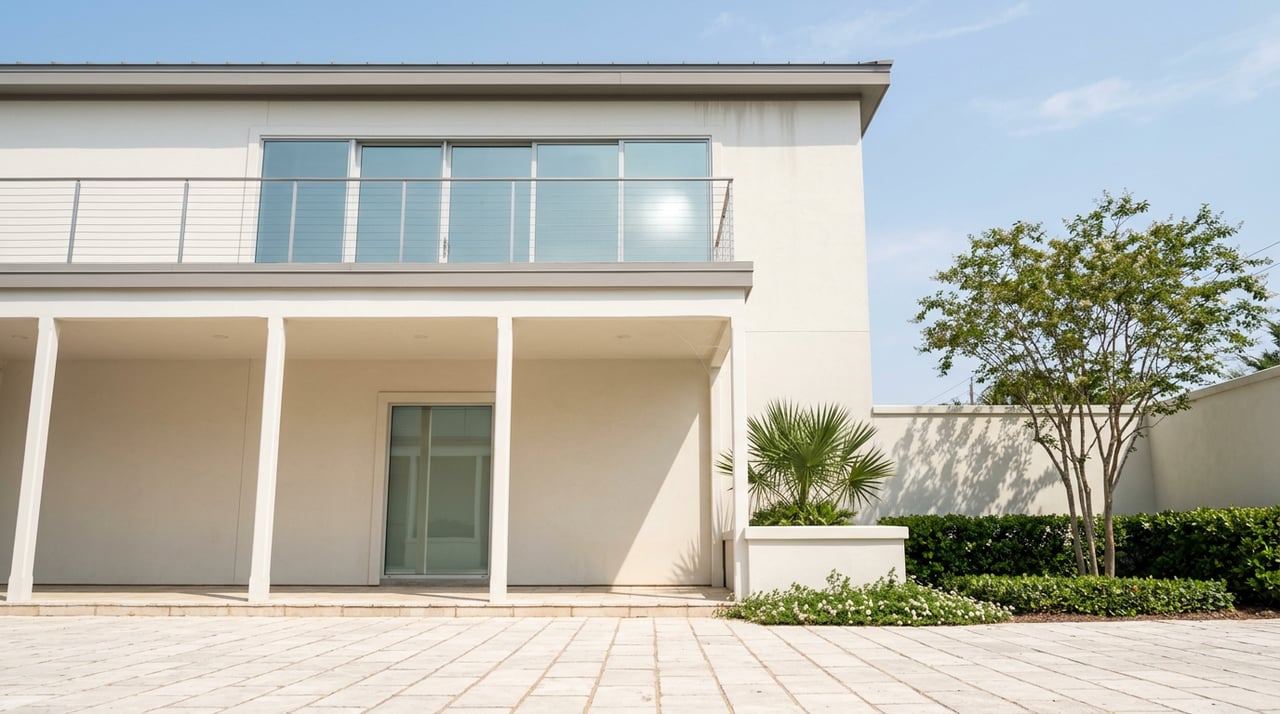
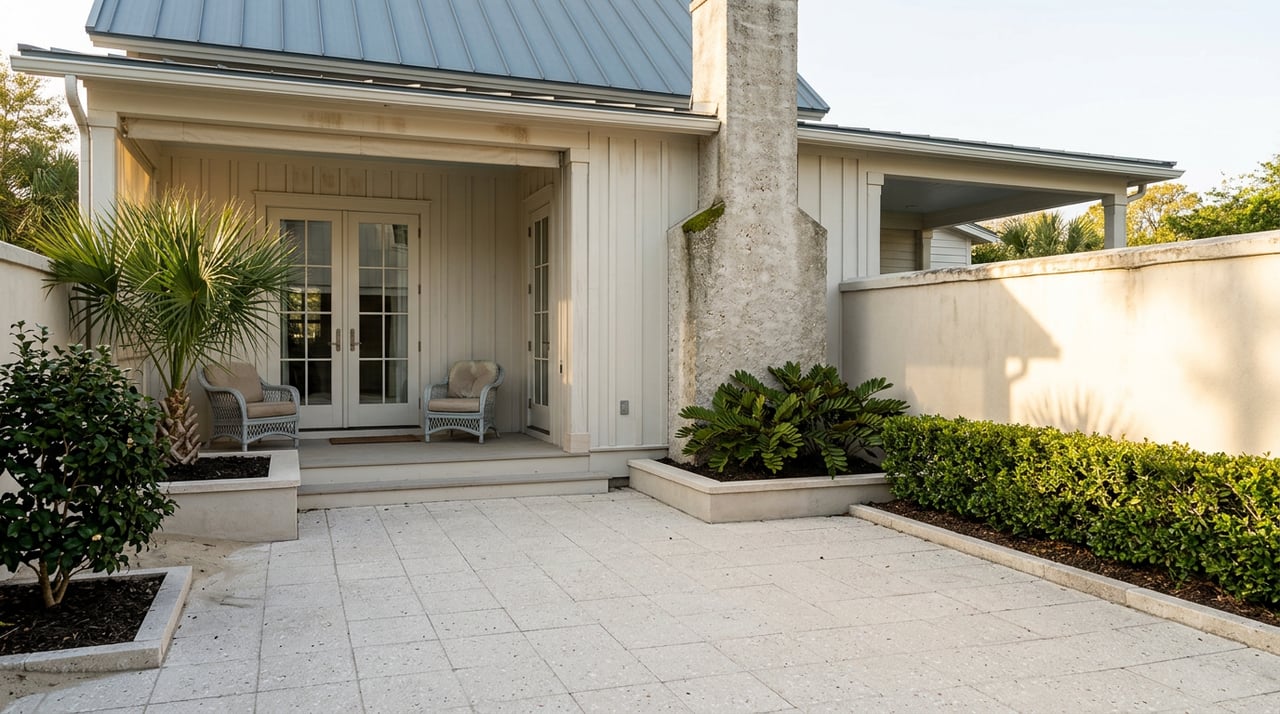
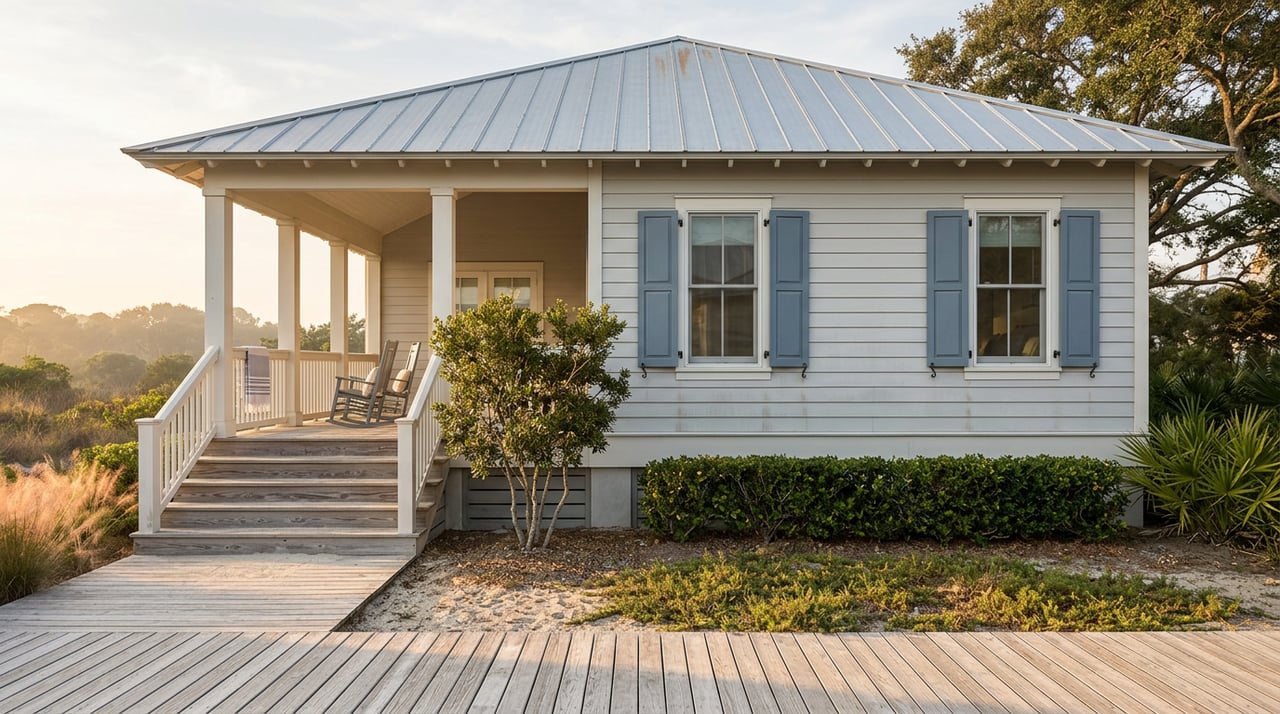
The community’s design language includes features like wood siding, metal roofs, and front porches. Within that framework, the level of renovation, material quality, interior styling, and overall condition can still push value up or pull it down.
This is especially important in luxury price ranges, where buyers often expect a polished, move-in-ready feel. If your home fits Seaside’s vernacular and presents as elevated and well maintained, that can support stronger pricing than a similar floor plan with older finishes or uneven updates.
Condition and view corridors matter more here
In a tightly defined neighborhood like Seaside, smaller differences can have a bigger pricing impact. Lot orientation, natural light, outdoor living appeal, and view corridors may all affect how buyers perceive value.
That means your comp set should go well beyond bedroom and bathroom count. A true pricing analysis should compare homes based on:
- Location within Seaside
- Beach access convenience
- Proximity to Central Square
- Gulf frontage or other view advantages
- Architectural fit and curb appeal
- Renovation quality and condition
- Walkability and overall lifestyle appeal
When sellers skip this level of detail, they often end up either overpricing and losing momentum or underpricing a home with a stronger position than the raw numbers suggest.
Understand who is buying in South Walton
Pricing also improves when you understand the audience. Visit South Walton’s Winter 2024 visitor study points to a high-value, repeat visitor base, with a reported median household income of $147,400.
The same study found that 96% said they plan to return, 38% had visited 10 or more times, and 55% stayed in a condo or rental house. Forty-five percent used vacation-rental websites to plan their trip.
For sellers, this suggests a buyer pool that is already familiar with the area and often shopping online before they ever step inside a home. Many buyers are not discovering Seaside for the first time. They are returning with a clear picture of the lifestyle they want and a strong sense of which pockets and property types fit that goal.
Public reporting also suggests 30A serves both second-home buyers and full-time residents. A local 2026 WJHG report noted that the average sold price on 30A reached $2 million in 2025 and that about 20% of sales were to full-time residents.
That mix matters because your pricing should speak to both emotional value and market logic. Buyers may be drawn in by place, but they still compare choices carefully.
The first few weeks matter most
Your launch period is where pricing gets tested in real time. If your home enters the market at the right number, you should see a healthy pattern of attention, showings, and serious conversations from qualified buyers.
If showings are light or buyer feedback keeps pointing to price, layout, or finish level, that is useful market information. In many cases, a prompt correction is more effective than waiting and hoping the market catches up.
This does not mean reacting to every comment. It means watching for patterns in the first few weeks and responding with discipline when the evidence is consistent.
Common signs your price may need attention include:
- Strong online views but few in-person showings
- Showings without follow-up interest
- Repeated feedback about value relative to other Seaside options
- Buyers praising the home but choosing better-positioned alternatives
The longer a luxury listing sits without the right response, the harder it can be to recapture urgency.
What strategic pricing looks like in practice
A strategic Seaside pricing plan is both data-backed and lifestyle-aware. It should reflect what has sold, what is competing now, and how your home fits within Seaside’s very specific identity.
That usually means avoiding two common mistakes. The first is pricing off broad 30A or county numbers without drilling into Seaside itself. The second is setting a number based on what you hope the market will reward, rather than what recent buyers have already shown they will pay.
A stronger approach is to position your home where it feels compelling the moment it hits the market. In a niche luxury setting, that first impression often shapes the whole sale.
Why local execution matters
Seaside is not a generic beach market, and your pricing strategy should not be generic either. The best seller guidance in this niche comes from someone who can read Seaside-level comps, understand the town’s design-led appeal, and translate both into a clear market position.
That includes knowing how to weigh lifestyle factors without drifting into unsupported pricing. It also means presenting the home as part of a highly recognizable 30A destination, not just as another coastal property.
For luxury sellers, marketing and pricing work together. A polished launch, strong visual presentation, and disciplined pricing strategy can help your home stand out with the buyers already watching this market.
If you are thinking about selling in Seaside, The Kromer Team can help you evaluate your home through a true 30A micro-market lens and build a pricing plan that matches both the property and the moment.
FAQs
Should Seaside home sellers use Walton County averages to price a luxury home?
- Walton County data can provide market context, but Seaside-specific sold comps should drive pricing because Seaside is a distinct micro-market with its own buyer expectations.
How much more is a Gulf-front or walk-to-town Seaside home worth?
- There is no fixed premium. In Seaside, Gulf-front location, walkability, and beach access should be priced based on comparable closed sales with similar positioning and buyer appeal.
Do architectural details matter in Seaside if the neighborhood already has design rules?
- Yes. Seaside’s design code creates a consistent framework, but buyers still respond to execution, condition, renovation quality, and whether a home feels polished and true to the community’s character.
When should a Seaside seller adjust price after listing?
- The best time to evaluate a price adjustment is during the first few weeks on market, especially if showing activity is light or buyer feedback repeatedly points to value, layout, or finish concerns.
What should be included in a Seaside luxury comp set?
- A strong Seaside comp set should include recent sold homes with similar size, style, finish level, condition, micro-location, walkability, beach access, and view advantages, not just similar bedroom and bathroom counts.