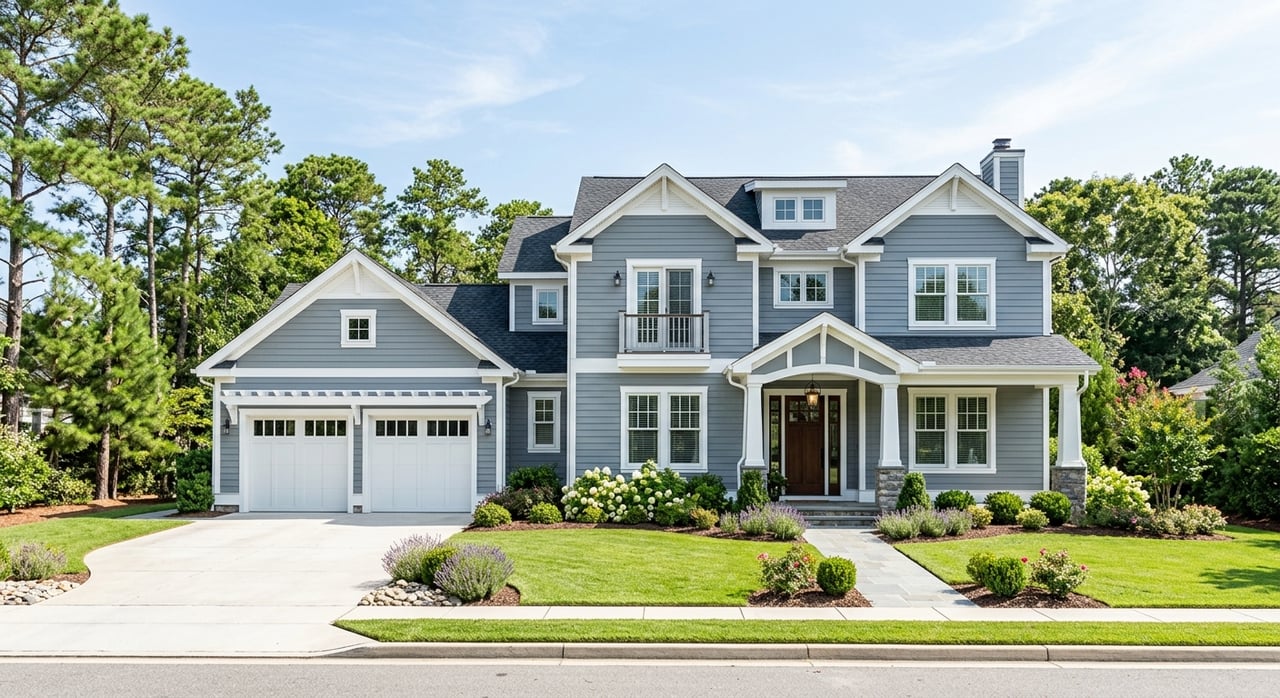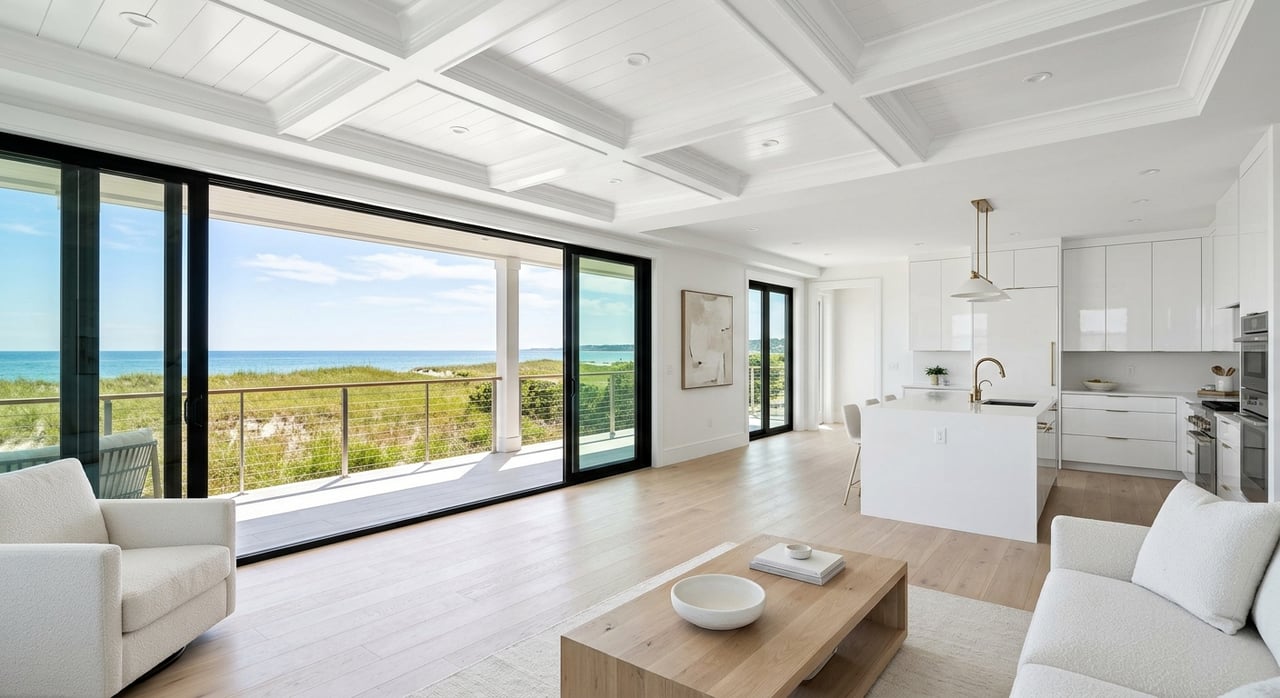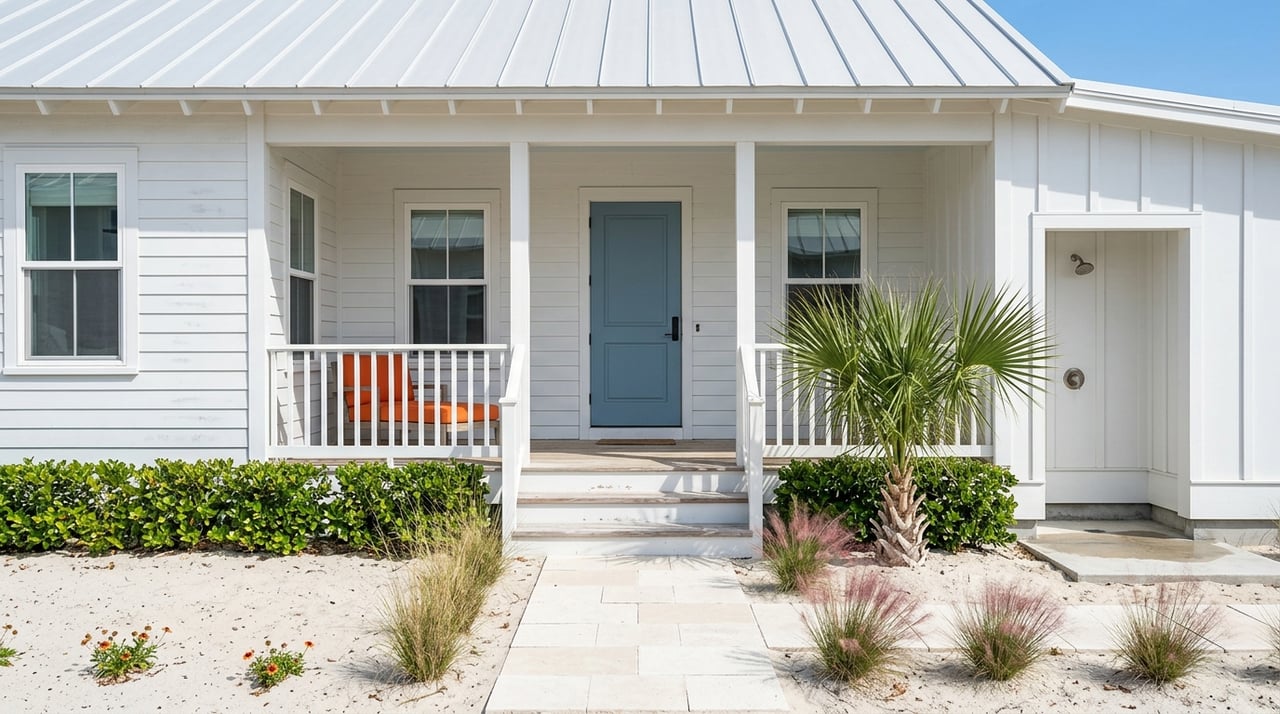
Thinking about a beach home in Inlet Beach that pays its way when you are not there? The right plan lets you enjoy the 30A lifestyle while the property works as a vacation rental. You just need a clear method to estimate income, costs, and cash flow before you buy. In this guide, you will learn a simple framework for ADR, occupancy, fees, and owner use so you can project returns with confidence. Let’s dive in.
ROI framework you can trust
A strong projection moves from market inputs to owner cash flow and returns. Start with the core variables, then build up to your bottom line.
- Rentable nights per year = 365 minus owner use nights minus repair or closure nights.
- Occupied nights = Rentable nights times occupancy rate.
- Gross rental revenue = Average Daily Rate (ADR) times occupied nights.
- Net rental revenue to owner = Gross rental revenue minus management fees, platform fees, operating expenses, and taxes.
- Net operating income (NOI) = Rental revenue minus operating expenses before debt service.
- Cash on cash return = Annual cash flow after debt divided by equity invested.
- Cap rate ≈ NOI divided by purchase price.
Report these metrics annually and by month. Track ADR, occupancy, gross revenue, NOI, and your break even occupancy at a given ADR.
Estimate ADR, occupancy, and nights
ADR methods
- Pull 10 to 20 nearby comps in Inlet Beach that match your bedroom count, baths, sleep count, view, beach proximity, and amenities.
- Check nightly calendars for peak, shoulder, and winter pricing and any weekend or holiday premiums.
- Use analytics tools like AirDNA, AllTheRooms, Transparent, or Mashvisor to view monthly ADR ranges and historical trends.
- Adjust your ADR for product quality. Private pool, beachfront access, or elevated finishes can support a 10 to 50 percent premium compared to average units.
Occupancy methods
- Start with market occupancy from analytics tools, broken out by month.
- Adjust for your home’s strengths, such as a pool, proximity to 30A attractions, or standout interiors.
- Ask local managers for 12 months of occupancy data for similar homes.
- Expect seasonal swings. Summer often delivers the highest ADR and occupancy. Spring and fall can be strong shoulder seasons. Winter is typically slower.
Nights available and owner use
- Decide how many weeks you want to use the home and block those dates.
- Understand the tradeoff. Peak summer weeks can be several times more valuable than off season weeks.
- Confirm any HOA or neighborhood rules that limit stays or require minimum nights.
Expenses, fees, and taxes to include
Variable guest costs
- Cleaning per stay, linen service, and consumables.
- Some cleaning fees are guest paid and may be passed through. Confirm if the manager keeps any portion.
Fixed operating costs
- Utilities, internet, cable, HOA dues, insurance with short term rental coverage, property taxes, routine maintenance, landscaping, and pest control.
- Plan reserves for deep cleaning, appliance replacement, and emergency repairs.
Management and platform fees
- Full service management often ranges from 15 to 30 percent of rental revenue. Co hosting or hybrid models are lower but require more owner involvement.
- Clarify how credit card or platform fees are handled.
- Confirm how guest paid fees like cleaning are treated in your manager’s accounting.
Taxes and licenses
- Florida sales tax applies to short term rentals.
- Local transient or tourist development taxes may apply in Bay County.
- Confirm business licensing, registration, tax rates, and filing rules with the Florida Department of Revenue and the county before you list.
Local factors in Inlet Beach
HOA and zoning rules
- Many developments have clear short term rental rules such as minimum stay lengths, owner registration, or limits on rental frequency. Review CCRs before you buy. Noncompliance risks fines or loss of rental privileges.
Insurance and flood risk
- Inlet Beach is coastal. Verify flood zone mapping and whether flood insurance is required.
- You will likely need a short term rental endorsement or a landlord policy. Premiums can be higher than owner occupied policies.
Utilities and infrastructure
- Expect higher summer A/C usage. Request historical utility bills or rate estimates.
- Confirm whether the property is on septic or municipal sewer since costs and maintenance differ.
Seasonality and events
- Proximity to 30A attractions, beach access, a private pool, and high quality interiors can justify premium ADRs.
- Demand spikes around spring break, Memorial Day, July Fourth, Labor Day, and local festivals.
Compliance and safety
- Install and maintain smoke and CO detectors. If you have a pool, confirm fencing and safety requirements.
- Review parking, occupancy, and noise rules to avoid fines.
Build a month by month model
Split your projection by month instead of using a single annual number. This captures seasonality and gives you a realistic cash flow picture.
- Gather comps. Pull 10 to 20 listings in Inlet Beach that match your bedroom count and amenities.
- Get monthly ADR and occupancy from a market analytics tool for your micro area.
- Adjust for your property’s attributes such as pool, view, or recent updates.
- Request anonymized 12 month P&Ls from two or three local managers for similar homes.
- Confirm HOA, licensing, and taxes.
- Estimate monthly operating expenses. Include utilities, HOA, insurance, taxes, cleaning per turnover, and a maintenance reserve.
- Decide your owner use and model both peak and off peak use to see the impact.
- Build month by month revenue. ADR times nights available per month times occupancy gives gross revenue per month. Subtract monthly expenses and management fees. Sum to annual numbers.
- Run sensitivity tests at plus or minus 10 to 20 percent for ADR and occupancy to define your upside and downside.
What the numbers can look like
Here are three illustrative scenarios for a 3 bedroom single family home in Inlet Beach. Replace these assumptions with local comps and manager data for your specific home.
Common assumptions: Purchase price 900,000 dollars, owner uses 28 nights. Rentable nights are 337. Annual fixed operating expenses assumed at 18,000 dollars. Cleaning is guest paid in these examples.
Scenario A, conservative: ADR 275 dollars and 35 percent occupancy. Occupied nights are 118. Gross revenue is 32,450 dollars. Management fee at 25 percent is 8,112 dollars. Estimated net operating cash flow before debt and taxes is 6,338 dollars. Gross yield is about 3.6 percent.
Scenario B, baseline: ADR 375 dollars and 50 percent occupancy. Occupied nights are 169. Gross revenue is 63,375 dollars. Management fee at 20 percent is 12,675 dollars. Estimated net operating cash flow before debt and taxes is 32,700 dollars. Gross yield is about 7.0 percent.
Scenario C, optimistic: ADR 500 dollars and 65 percent occupancy. Occupied nights are 219. Gross revenue is 109,500 dollars. Management fee at 18 percent is 19,710 dollars. Estimated net operating cash flow before debt and taxes is 71,790 dollars. Gross yield is about 12.2 percent.
Two key takeaways:
- ADR and occupancy drive most of the variance. A 30 to 40 percent shift in either can move NOI dramatically.
- Owner use has a bigger impact when you block peak weeks. Summer weeks can be 3 to 6 times more valuable than winter weeks.
Stress test the deal
Build a quick break even test to understand risk. At a given ADR, find the occupancy rate that covers fixed costs, the management share, and a small target NOI. Then test different ADRs to see how sensitive your returns are to rate cuts in slower seasons.
- Rule of thumb. For beachfront homes with higher fixed costs, aim for at least 40 to 50 percent occupancy at a mid to high ADR to cover costs before debt service. Your exact break even will vary by expenses and management terms.
Find and vet the right manager
The right management partner can add revenue through dynamic pricing, better marketing, and faster response times. Choose a model that fits your goals and time.
Management options
- Full service management. Listing, pricing, housekeeping, guest services, maintenance, and 24 by 7 support. Fees often range 15 to 30 percent.
- Co hosting or hybrid. Manager handles listing and bookings, you handle on site services. Fees often 8 to 18 percent.
- Channel or marketing platforms. Useful for reach but confirm the scope of service and fees.
Vetting checklist
- Local track record in Inlet Beach and along 30A with comparable homes.
- Performance data with anonymized 12 month P&Ls that show ADR by month, occupancy, and net revenue.
- Contract terms, including management fee structure, cleaning fee handling, payout timing, contract length, termination, and exclusivity.
- Dynamic pricing and marketing channels. Ask how they set rates and what tools they use.
- Owner portal and reporting cadence.
- Maintenance response times, vendor network, and cost structure.
- Insurance and liability coverage, plus owner responsibilities.
- At least three owner references, and an online review scan for properties they manage.
Key clauses to negotiate
- Termination notice and penalties.
- Owner payout frequency and reporting detail.
- Cap on manager’s ability to keep guest fees or set cleaning fees.
- Maintenance approval thresholds for work orders.
How we help on 30A
If you want a smart, lifestyle forward investment in Inlet Beach, you need both a clear model and hyper local knowledge. We combine a data driven approach with on the ground insight into 30A’s micro markets, HOA rules, and manager options. We help you source the right property, align the amenity set to your revenue goals, and connect you with vetted management partners and local vendors.
Ready to build your Inlet Beach rental strategy and find the right home? Reach out to The Kromer Team for boutique, founder led guidance backed by Compass level marketing and tools.
FAQs
What is ADR for an Inlet Beach vacation rental?
- ADR is the average daily rate you collect per booked night. Estimate it using nearby comps, analytics tools, and adjustments for amenities like a pool, beach proximity, and interior quality.
How many nights should I assume for owner use?
- Start with how you plan to use the home, then test both peak and off peak weeks. Peak summer weeks often carry more revenue weight, so using the home in winter has a smaller income impact.
What expenses do most owners underestimate?
- Insurance with short term rental coverage, flood insurance where required, utilities in summer, routine maintenance, and reserves for deep cleans or emergency repairs are often underestimated.
Do I need a license or to collect taxes in Bay County?
- Short term rentals generally require compliance with Florida sales tax and any local transient or tourist development taxes, plus business licensing where applicable. Confirm the current rules with the state and county before you list.
How do I compare property managers in Inlet Beach?
- Ask for anonymized 12 month P&Ls for similar homes, confirm fee structures and how guest fees are handled, review dynamic pricing practices, and speak with multiple owner references.
Should I model revenue by year or by month?
- Model by month to capture seasonality for ADR and occupancy. Then roll up to an annual view for NOI, cash flow after debt, and return metrics like cap rate and cash on cash.