You picture your mornings starting with a short walk for coffee, an easy stroll to the beach, and neighbors waving as you pass the amphitheater lawn. That is the daily rhythm in Seaside’s Town Center on 30A. If you value walkability, community programming, and a true public square, this place can feel like your living room. In this guide, you’ll learn how everyday life flows here, what to expect season by season, and the practical details to check before you buy. Let’s dive in.
What daily life feels like
Living by Central Square puts you at the heart of a compact, pedestrian-friendly community. Short blocks, mixed-use buildings, and a central lawn make it easy to walk for breakfast, errands, or an evening concert. The result is a social routine that naturally brings you into the square several times a day.
If you live farther along 30A, you will likely rely on short drives and bikes for daily needs. The square still serves as your civic and social hub, but parking and traffic are part of the equation in peak season.
Morning to evening rhythms
Mornings are calm and local-forward. You’ll see residents walking dogs, grabbing coffee, and heading to the beach. Shops and cafés open early, with slower mid-morning foot traffic during the off-season.
Midday brings families and visitors, especially in spring and summer. Retail and casual dining are busiest from lunch through early afternoon. Late afternoon and evening shift to after-beach gatherings, patio dining, and events on the lawn. Expect more energy when programming is scheduled.
Weekly events and gatherings
The square anchors recurring public events that double as social rituals. A farmers market brings local produce, prepared foods, and artisan goods on a regular schedule that varies by season. The amphitheater lawn hosts concerts, outdoor movie nights, and community programming, often clustered in spring and summer.
Holiday weeks and special festivals can change the feel of the square for a few days. Traffic, parking, and crowd levels rise, but you gain front-row access to activities that many owners consider a highlight of living here. For exact days and times, check the town’s official event calendar.
Walkable amenities at your doorstep
Central Square concentrates cafés, sit-down restaurants, casual eateries, ice cream, and specialty shops. You can meet a friend for breakfast, pick up essentials, and be home in minutes on foot. It is simple and social.
For full grocery runs, plan a short drive to larger stores outside the immediate town center. Many owners combine errands with a scenic 30A cruise and return to the square for dinner.
Groceries, services, and healthcare access
You will find boutique retail, visitor services, and some property management offices in and around the square. More comprehensive services, like urgent care and medical centers, are in nearby 30A towns and larger cities. If proximity to healthcare is important, confirm drive times from the streets you are considering.
Mail and parcel delivery are typical, though seasonal rental turnover can add some logistics. If you plan to rent, build a clear system for deliveries, contractor access, and trash service.
Beach, biking, and getting around
Seaside’s layout offers pedestrian connections to the Gulf that make beachgoing a daily habit. Many homes near the square are a short walk to public beach accesses. You will likely use bikes for errands and quick trips, and the streets support that routine well.
Parking in and around Central Square is limited, especially during events. Plan for short walks from parking areas and consider storing bikes for daily use. Car travel remains primary for groceries, services, and trips outside Seaside, with seasonal surges affecting drive times along 30A.
Seasonality: lively vs. quiet
Seaside experiences marked seasonal swings. Spring break, summer, and holiday weeks are vibrant with visitors and full programming. You will feel the energy in the square, especially at meal times and during evening events.
Fall and early winter tend to be quieter. Many owners appreciate the slower pace, easier parking, and more relaxed dining. Some businesses adjust hours seasonally, so verify off-season schedules if you plan longer stays outside peak months.
Renting your property: what to expect
Short-term rentals are common in Seaside and throughout 30A. If you plan to rent, expect frequent guest turnover and routine tasks like noise monitoring, linens, trash, and parking coordination. Factor in management support if you prefer hands-off ownership.
Always confirm Walton County and Seaside rules around registration, taxes, and permits. Policies can change, so review current requirements and minimum stays on the official county pages before you purchase.
HOA rules and community standards
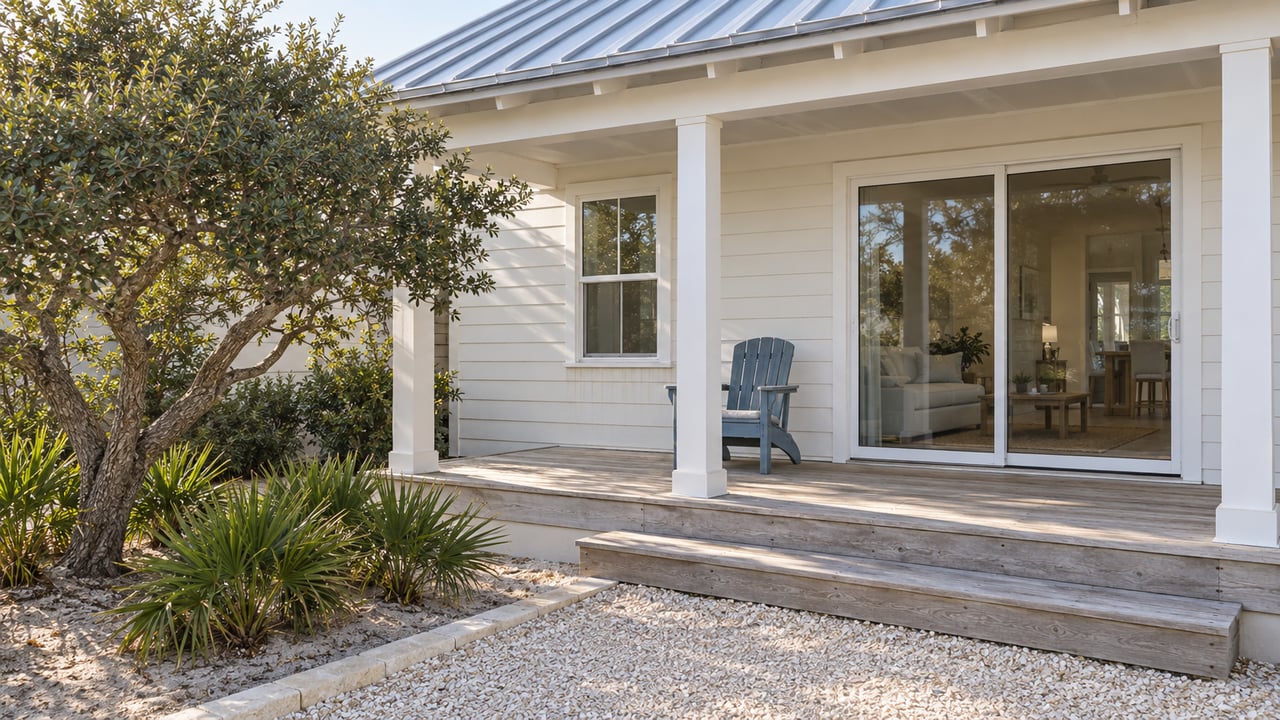
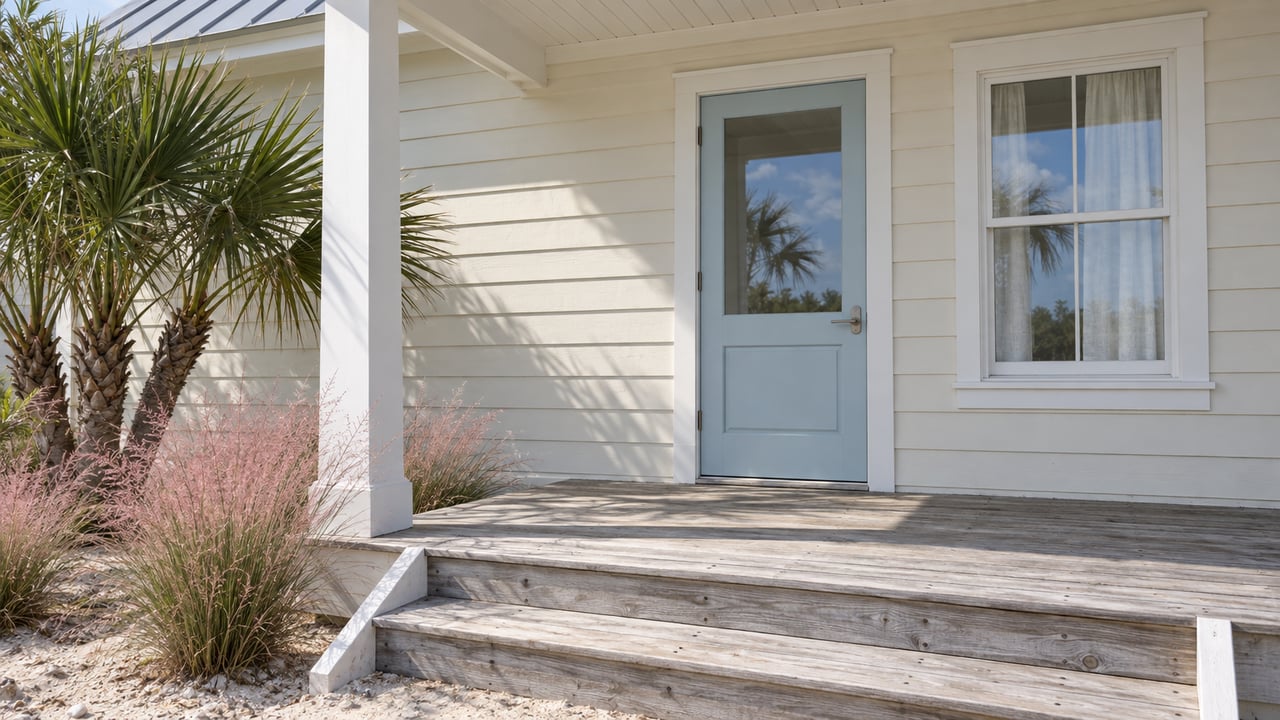
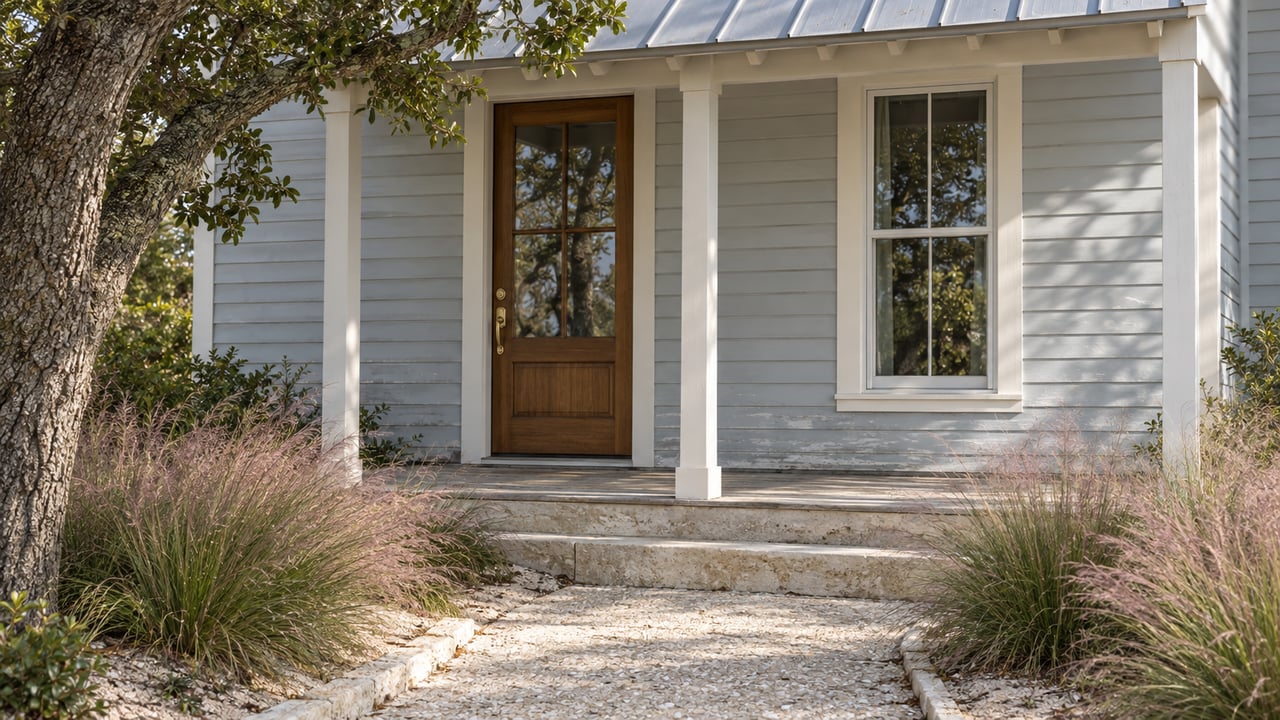
Many properties fall under HOA covenants and architectural guidelines that protect Seaside’s aesthetic. You can expect standards for exterior paint, landscaping, and maintenance. These rules preserve the look and feel that draw many buyers.
Before you make an offer, ask for HOA fees, coverage details, and any history of special assessments. Understand how the rules align with your plans for renovations or rentals.
Insurance, storms, and safety basics
You are on the Gulf, so storm readiness is part of life from June through November. Review FEMA Flood Insurance Rate Maps for your property’s flood zone and confirm any elevation certificates. Budget for flood insurance and wind or hurricane coverage, which can be significant on the coast.
Check local building standards and coastal requirements if you plan to renovate. Establish a storm plan and understand evacuation routes if you will be here during hurricane season.
Budgeting for ownership
Seaside commands premium pricing due to design quality, walkability, and proximity to the beach. Ownership costs typically include HOA dues, property insurance, flood and wind coverage, seasonal maintenance, and property management if you plan to rent.
Market dynamics track broader 30A trends. Ask your agent for current neighborhood-level sales, absorption, and days on market so you can decide quickly when the right home appears.
Quick buyer checklist
- Walk the square at different times and seasons to gauge energy, noise, and parking.
- Confirm beach access points and walking distance from the homes you prefer.
- Verify HOA covenants, fees, and architectural guidelines.
- Review short-term rental rules, required permits, and minimum stays.
- Map driving times to groceries, urgent care, and medical centers.
- Check your property’s flood zone, elevation certificate, and insurance quotes.
- Ask about delivery logistics, guest access, and contractor parking.
How we can help
If the idea of coffee, beach walks, and evenings on the amphitheater lawn fits your vision, you are in the right place. Our team pairs lifestyle guidance with the practical checks that matter on the coast, from insurance and HOA nuances to rental strategy and seasonality. We help you target the streets and homes that best match how you want to live.
Ready to explore Seaside’s Town Center properties and nearby micro-neighborhoods on 30A? Connect with Kromer Collective to see curated options and make a confident move. View Properties.
FAQs
How close is the beach to homes near Central Square?
- Many streets around the square offer a short walk to public beach accesses, which makes beachgoing a simple daily routine.
Do shops and restaurants stay open year-round in Seaside?
- Hours can adjust with seasonality; peak periods see extended activity, while fall and early winter often bring reduced hours.
When is the Seaside farmers market and amphitheater programming?
- Schedules vary by season; check the town’s official event calendar for current days and times before you plan.
Are short-term rentals allowed in Seaside’s Town Center area?
- Short-term rentals are common; confirm HOA and Walton County rules, permits, taxes, and any minimum-stay requirements for your specific property.
What should I know about parking near Central Square?
- On-street and small public lots can fill during events and peak seasons; many owners rely on walking and bikes for daily trips.
What are the insurance and flood considerations for Seaside homes?
- Review FEMA flood maps for your property’s zone, confirm elevation data, and budget for flood plus wind or hurricane coverage on the coast.